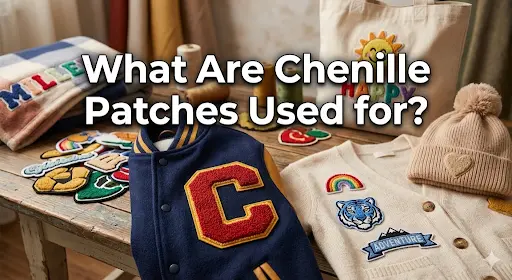
Chenille is the patch style you pick when you want texture people can feel. It’s that fuzzy, raised “varsity jacket” look made with looped yarn stitched onto a felt base. You’ve seen it on letterman jackets, team gear, school merch, and streetwear drops that want a bold, classic vibe.
Let’s jump in without dilly-dallying.
What Makes Chenille Different From Other Patches
Most patches try to look sharp and detailed. Chenille does the opposite. It goes big, chunky, and tactile.
Chenille patches usually have:
- A felt base layer (often the background shape)
- Looped yarn for the raised “fuzzy” fill
- Optional embroidery outlines to sharpen edges or add text
That mix given by a trusted patch maker is the reason why chenille patches look premium on the right products. It also explains why chenille is not the best choice for tiny logos or super detailed artwork.
The Best Real-World Uses for Custom Chenille Patches
1) Varsity Jackets and Letterman Awards
This is the home turf. Custom Chenille Patches are built for:
- School letters (A, M, S, etc.)
- Year patches (2026, 2027)
- Sports icons (baseball, football, basketball)
- Achievement patches (captain, MVP, state qualifier)
Why it works: big shapes, thick fabric, and the patch becomes part of the jacket’s identity.
2) Sports Team Spiritwear and Fan Merch
If your team sells hoodies or jackets, chenille is an easy upgrade.
- Team initials on hoodie chests
- Mascot icons on sleeves
- Large back patches for limited team drops
Best fit: heavyweight hoodies, fleece, varsity jackets, warmups.
3) College Life and Club Gear
Fraternities, sororities, alumni groups, and campus clubs use chenille when they want tradition without looking boring.
- Greek letters
- Chapter names in big lettering
- Anniversary or founder year patches
Keep it simple and bold. Chenille does not need fancy detail to look legit.
4) Streetwear Drops That Need Texture
Streetwear loves chenille because it reads like quality. It also photographs well when the design is bold.
- One big letter
- Clean wordmarks
- Simple icons
- Two-tone designs with strong contrast
If your brand has a detailed logo, chenille can still work, but it usually needs embroidery outlines to keep it readable.
5) Cheer and Dance Jackets
Chenille patches are popular for cheer and dance because it feels classic and trophy-like.
- Team letters
- Position patches
- Season patches
- Name patches paired with smaller embroidered tags
When Chenille Is a Bad Choice
Chenille is not “universal.” Skip it when:
- Your logo relies on tiny text or thin lines
- You need fine detail (think complex crests or intricate mascots)
- The patch is going on a lightweight tee or thin fabric
- The gear gets soaked and abused outdoors nonstop
If the patch needs high weather resistance, you’re usually better off with PVC or silicone styles. If you need ultra crisp small text, woven patches tend to win.
Design Rules That Keep Chenille Looking Clean
If you want chenille to look expensive, follow these rules.
Go Bold, Not Busy
- Use large letters and simple icons
- Avoid tiny interior details
- Keep the design readable at a glance
Limit Colors Like You Mean It
Chenille can do multiple colours, but more colours usually means more complexity and more ways to make it look cluttered.
A strong chenille design is often:
- One main colour for the yarn
- One felt background colour
- One outline colour (optional)
Use Embroidery Outlines for Sharpness
A thin embroidery border around chenille shapes can:
- Clean up edges
- Add small text
- Separate layers visually
This is how brands do chenille without it turning into a fuzzy blob.
Size Matters More With Chenille
Chenille needs room. If you want a 2-inch patch with fine detail, chenille is the wrong tool. Give it space or choose another type.
Best Backing Options for Chenille Patches
Backing choice decides whether the patch stays put. Here’s the practical guidance.
- Sew-on: Best for varsity jackets, heavywear, long-term use
- Iron-on: Good for quick application on heat-safe fabrics, often used on hoodies
- Hook and loop: Good when patches need to be removable
- Adhesive: Only for short-term use, not for repeated washing
If you’re still deciding between backings, borders, and patch types across your whole lineup, use our comprehensive guide and keep it moving: Custom Patches Breakdown: Types, Backings, Borders & More!
Care Tips So They Don’t Look Beat Up Fast
- Wash inside out when possible
- Avoid high heat drying if you can
- Spot clean jackets instead of heavy washing
- Don’t iron directly on chenille yarn
Chenille is tough, but it’s still textured yarn. Treat it like a premium finish, not like a printed sticker.
Frequently Asked Questions
Want a Chenille Patch That Looks Like It Belongs on the Jacket?
If you’re planning Custom Chenille Patches, start with placement and size, keep the design bold, then pick the backing based on how hard the item will be worn. If you want a fast recommendation, share your logo and tell us where it’s going. We’ll help you choose the cleanest chenille setup and get you to a proof you can approve without guessing.